EYFS
Home
Early Years Provision
At Kingsteigngton Primary School, we recognise the critical impact that the early years of a child’s development plays in shaping their future life. Strong and progressive early years education is, therefore, critical to our children’s future success both academically and personally.
Our early years strategy aims to provide an engaging, enriching and inclusive education that celebrates the uniqueness of every one of our children. Our strategy cultivates a safe and stimulating environment where our children’s love of learning is fostered and they are prepared well for the next stage of the learning journey.
Ultimately, our strategy aims to ensure that all of our children are nurtured and thrive academically, socially and emotionally. We have high expectations and are ambitious for all of our children. We know that a strong start provides our children with the very best foundation from which to live a great life.
Curriculum
Our curriculum clearly defines the critical knowledge and skills for each step of a child’s journey through the Early Years foundation stage. The curriculum covers learning that supports children in achieving the early learning goals by the end of the foundation stage. It also supports pupils in being ready for Key Stage 1. However, we do not rush through the curriculum as this leads to children having gaps in their knowledge.
Personal, Social and Emotional Development
We understand that in such young children, behaviour and physical actions are often a form of communicating needs or emotions that cannot fully be expressed through spoken language. Staff focus on teaching pupils to recognise and express their emotions appropriately. They teach them how to relate positively to each other. Staff also teach the children the behaviour that they need to develop in order to learn well. Clear and well-expressed boundaries and expectations provide our children with a safe and predictable environment in which to explore, experiment, learn and grow in confidence.
Language Development
We recognise that children’s spoken language is critical for composing thoughts before they start writing. In order to support our children in developing strong spoken language we provide activities like oral storytelling, reciting rhymes, and discussions relating to things that are relevant and known by them.
Foundation Knowledge and Fluency
We emphasise clear, incremental steps in the curriculum to ensure foundational knowledge in reading, writing, and mathematics is mastered by the children before they are moved onto engaging in more complex tasks.
Learning to Read
Being a proficient reader is a vital skill that all children need to learn. Reading is the key to opening up wider learning in so many areas. Being a confident reader allows children to be increasingly independent in their own learning.
Across all of our settings, children are taught to read by developing their knowledge of the sounds that letters make (phonics). Daily phonics sessions are a fundamental part of teaching in all of our reception classrooms. In addition, our nursery aged children are also taught to start hearing the sounds that letters make.
Classroom Delivery of Learning
We believe that in order to maximise their progress children need experience a range of teaching approaches whilst in the EYFS. These approaches are chosen carefully in order to ensure that the children learn, use and apply knowledge. The balance between teaching and practice time is a key consideration for all settings.
Direct Instruction
We recognise that direct instruction and guidance is crucial for the delivery of new knowledge and for the development of children’s language and oracy.
Practice
We believe that providing children with time to practice, is key: “Practice makes permanent”. In order to prevent the embedding of errors, We ensure that children’s understanding is accurate and mis-conceptions are quickly tackled.
Play
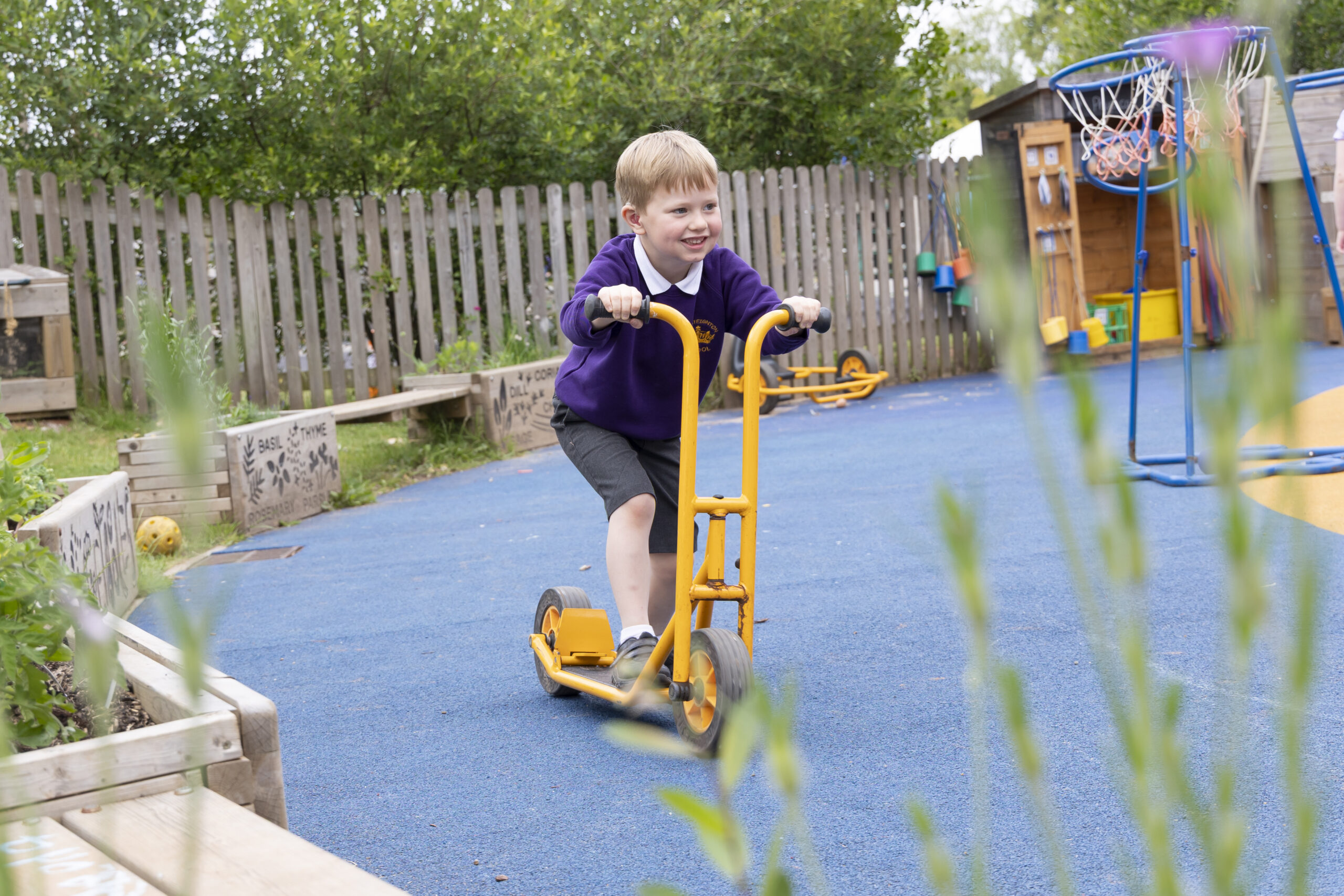
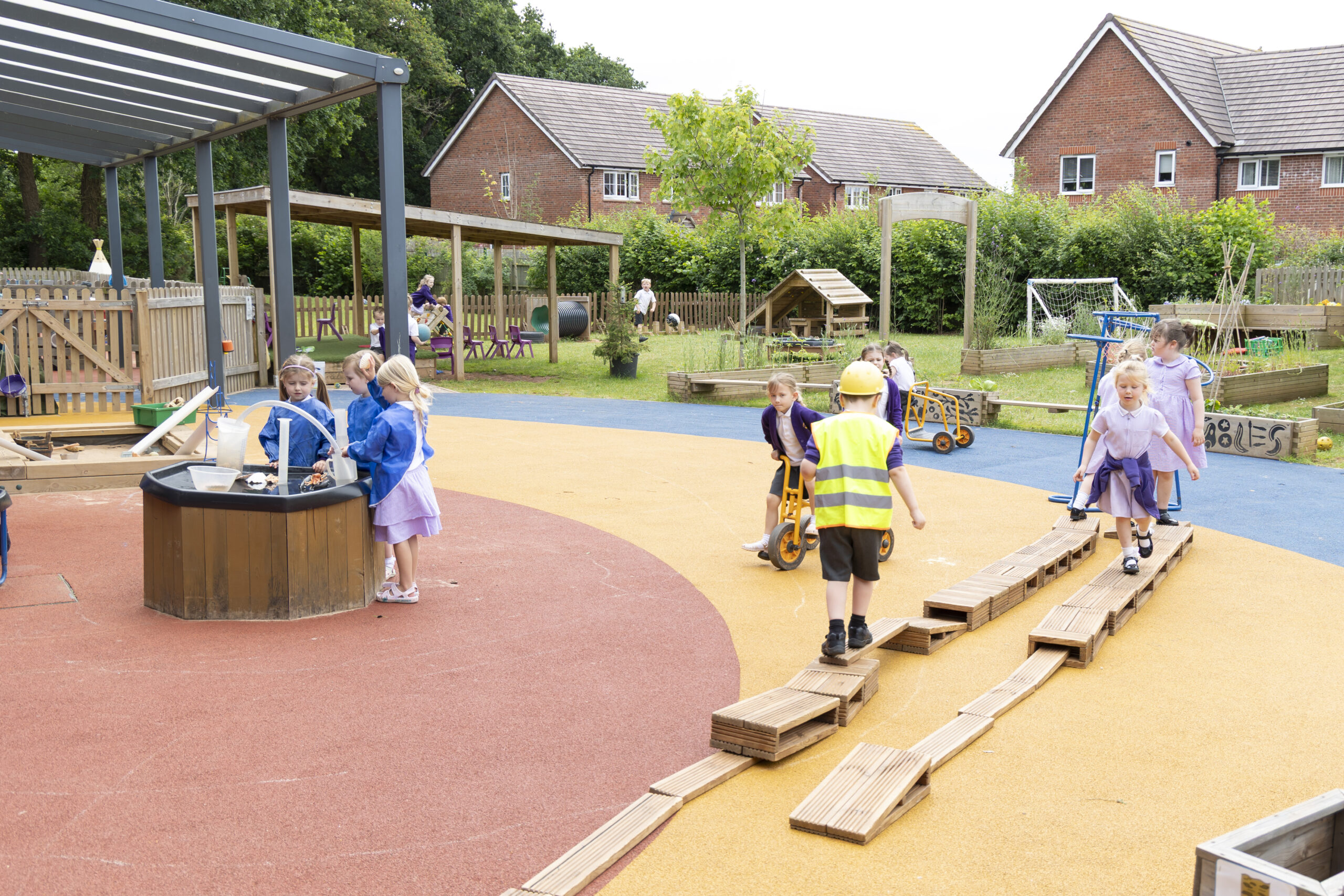
Play is vital but should be complemented with direct teaching.
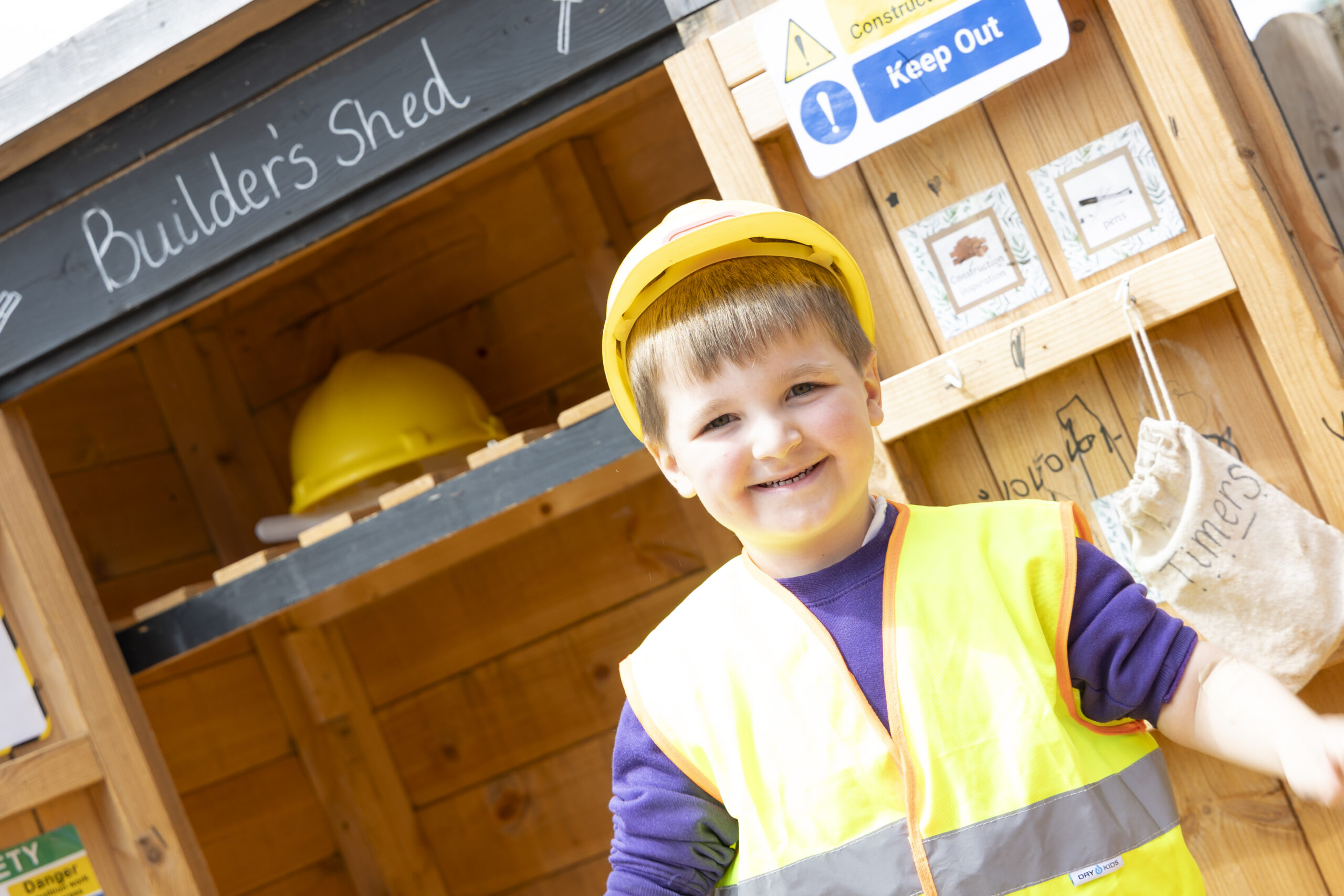
Play should be purposeful and carefully structured to reinforce learned knowledge. For example, when setting up role-play areas, before children play in the are they need to have a clear understanding of the context relating to the role play. They need to have appropriate language and vocabulary modelled to them.
Stage-Appropriate Teaching
Whilst we are conscious of children’s chronological age and associated expectations, we also recognise that for teaching to be effective it must be tailored to their developmental stage.
As well as supporting children in developing their social, emotional and communication skills, we also prioritise developing their fluency in foundational skills like handwriting; word reading, and knowing simple number facts.
Supporting Vulnerable Learners
We are aware that when children start EYFS they have a range of developmental experiences and understanding. For some children there is a substantial gap between their developmental stage and their chronological age. Where this is the case, we provide focused adult attention in identifying the areas of need and then tailor teaching and support to address these areas.
Assessment
Ongoing formative assessment is a key element to highly effective EYFS practice and is planned into every activity provided for pupils. Staff will use a range of assessment techniques to gauge children’s knowledge and understanding. These will include:
- Asking the children questions and discussing new learning with them
- Listening to their conversations with each other during adult led activities and during child-initiated play
- Providing the children with activities and play related to taught content and observing their interaction and the outcomes
- Providing opportunities for practice and assessing if children have developed fluency and automaticity of new knowledge and skills
- Recognising the granular small steps f progress that children are individually making across all areas of learning and celebrating these achievements
- Paying particular attention to evidence that children are developing their foundational knowledge
At times, teachers may look at written evidence of pupil’s knowledge. However, they will be mindful that written evidence is unlikely to demonstrate a child’s full understanding as their skills in writing are unlikely to be as advanced as their understanding of wider learning.
Working With Families
We know the fundamental role that parents and carers play in the early development of their children. They are, after-all, a children’s first educators teaching them so many key skills such as learning to walk and talk.
Building strong partnerships with families is a cornerstone of our strategy. We offer opportunities for families to actively participate in their children’s learning journey and in school life more generally. We ensure that there is clear and regular communication which includes information about the EYFS curriculum and their child’s progress. We plan in opportunities for children’s families to be involved in our continual cycle of assessing and reviewing what children have learned.
Continuous Professional Development of Staff
Leaders in our settings are focused on continually improving provision for our children. They are outward looking and adaptable to best practice. Early Years staff across our settings benefit from high-quality training and coaching. Collaboration and knowledge-sharing among practitioners across the Trust is facilitated through our early years network and through shared CPD sessions.